
For a long time, I thought I couldn’t afford self-care. Then I realised I was already doing some of it for free: a long bath, baking, a slow hair day. This post is everything I’ve learned about self-care on a budget since I started doing it on purpose.
Self-care on a budget means looking at what you already have (time, a kitchen, a bathtub, a few people who love you) and using it on purpose. Below are 15 free and cheap ideas, grouped by where and how you do them, so you can pick whatever fits the kind of day you’re having.
Disclaimer: This post may contain affiliate links; see our disclaimer page here.
A quick note: I’m not a medical professional. Self-care can make hard days easier, but it isn’t a replacement for support if you’re struggling. If things feel heavy for more than a few weeks, please talk to a doctor or counsellor.
Table of Contents
Free and Cheap Self-Care at Home
1. Take a Long Bath
You don’t need bath bombs or a special playlist. Warm water, a door that closes, and 30 minutes is enough. Put your phone in another room, dim the light if you can, and let the bath be the only thing you’re doing. If you want it to feel a bit more special, a clean towel warmed on the radiator, or a cup of tea on the edge of the tub costs almost nothing.
To make my bath time more enjoyable, I love putting on music and singing out loud.
2. Do a Slow Hair Care Routine

A hair routine becomes self-care when you stop rushing it. Gently detangle, deep condition with a conditioner you already own (apply it, cover your hair, and leave it in for 20 to 30 minutes), and take your time styling. Your existing products are enough. The point is the slowness.
One of my favourite hair care products to use is the L’Oreal Paris Elvive Hyaluron Plump Replumping Hair Serum. It’s very affordable and leaves my hair feeling soft and hydrated.
3. Make a Simple Skincare Routine With Safe Homemade Masks
Start with the basics: a gentle cleanse, a moisturiser, and sunscreen in the morning. Then, if you want a treat, add a homemade mask once a week. Keep it simple. Two ingredients are plenty.
Oat mask: Grind 2 tablespoons of plain oats in a blender or with a rolling pin until they’re a fine powder. Stir in just enough warm water to make a smooth paste. Spread it on clean skin, leave it for 10 minutes, rinse with lukewarm water, and pat dry. Finely ground oats have a long history in dermatology as a soothing ingredient, and a review of colloidal oatmeal in the Journal of Drugs in Dermatology describes its anti-inflammatory properties. Kitchen oats aren’t exactly the same as the colloidal oatmeal used in products, but they’re a gentle place to start.
Honey mask: Spread a thin layer of plain honey on clean, slightly damp skin. Leave it for 10 minutes, then rinse with warm water. Many people find it leaves skin soft, and it costs almost nothing.
What to skip: Many popular DIY ideas can do more harm than good. Dermatologists quoted by Glamour warn against lemon juice (it can burn skin and cause a blistering reaction in the sun), baking soda, and vinegar. I’d also be careful with undiluted essential oils, which I cover in my guide to choosing a toner.
Always patch test first. Put a small amount on your inner arm or behind your ear, wait 24 hours, and only use it on your face if nothing happens. If anything stings or burns, rinse it off right away.
4. Bake With What You Have
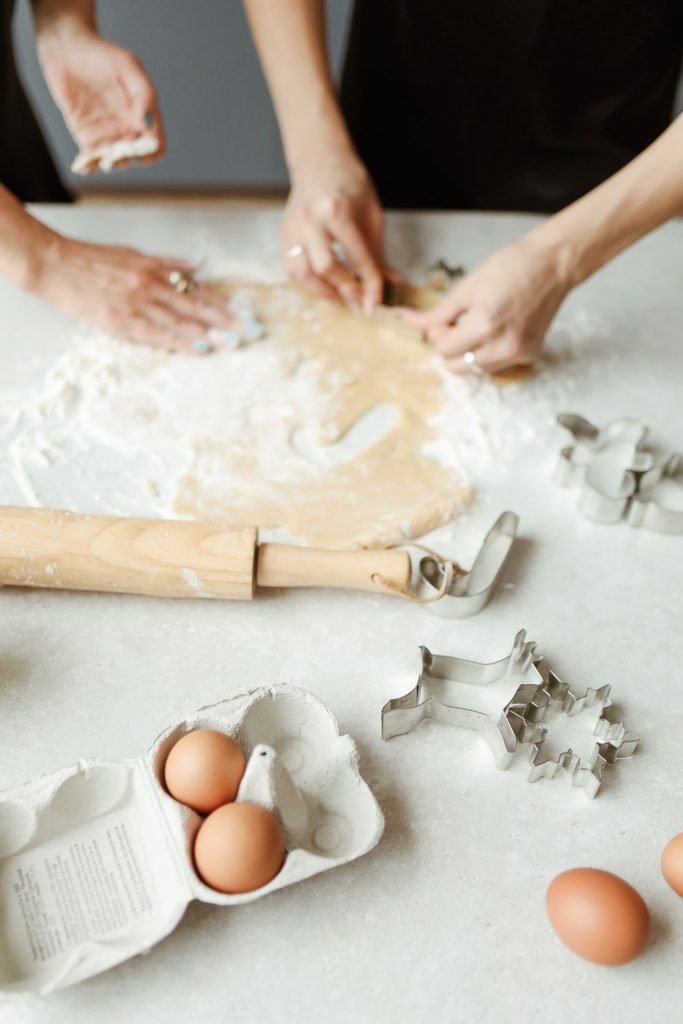
Baking is one of the cheapest ways to give your hands something to do and your house a good smell. The rule is to make the recipe fit your cupboard, not the other way around. Overripe bananas become banana bread, a few handfuls of oats become biscuits, and flour, sugar, and eggs get you somewhere good. You don’t need to buy anything special.
Once in a while, when I’m craving something chocolaty, I bake scrumptious chocolate muffins.
5. Go to Bed Early
It’s free, and it counts. Pick one night this week, put the laptop away an hour earlier than usual, and go to sleep. You don’t have to do anything productive with the evening.
Free Self-Care Outside the House
6. Take a Walk With No Destination
No steps goal, no podcast, no route. Walk until you feel like turning around. This is also the easiest way to spend time in nature, and a study of almost 20,000 adults in England found that people who spent at least two hours a week in natural settings were more likely to report good health and wellbeing than people who spent none. It didn’t matter whether the two hours came in one go or in several short visits. It’s an association, not proof, but it’s a nice reason to step outside.
7. Sit in the Morning Light for Ten Minutes
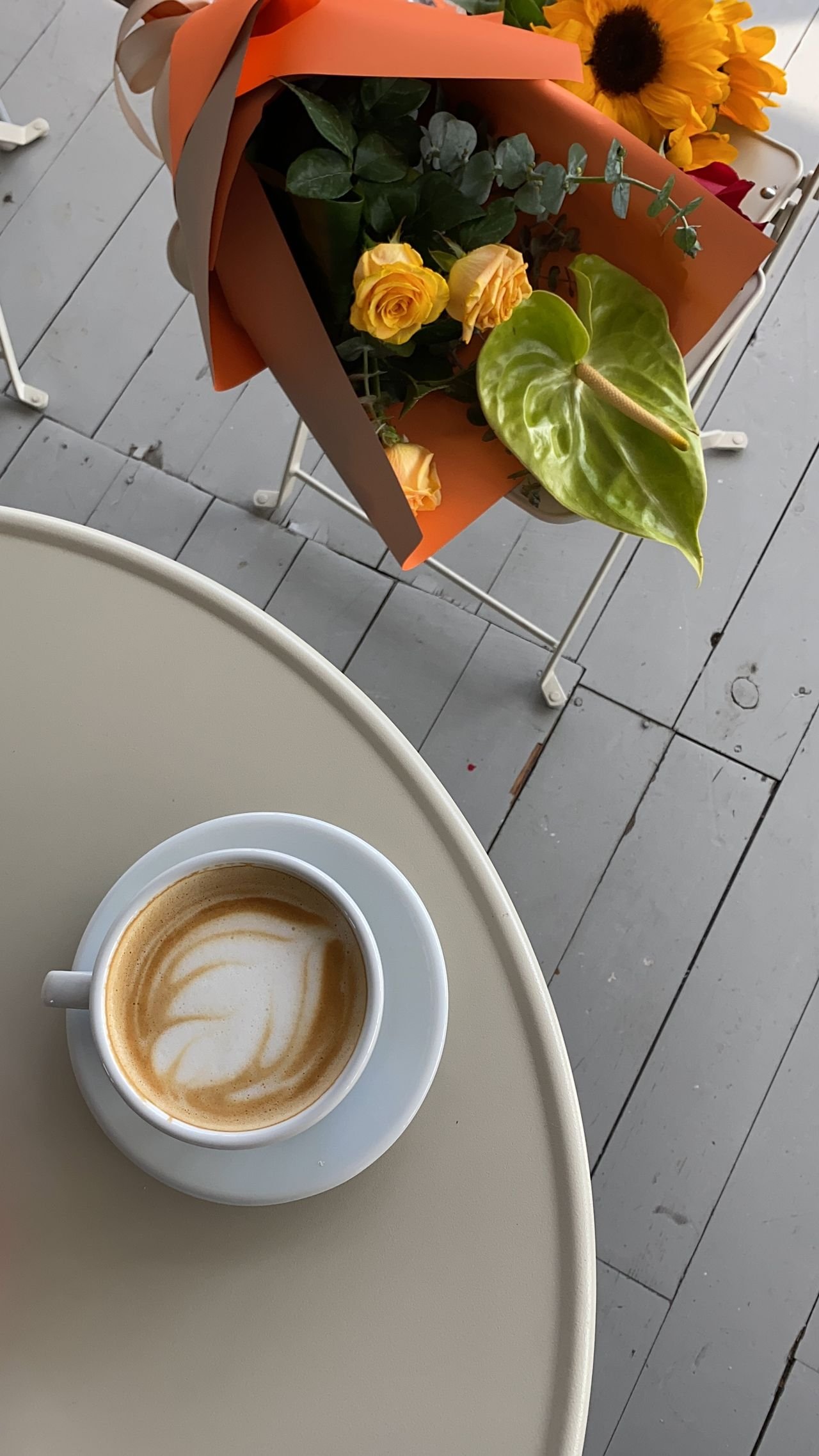
Take your tea or coffee outside, or sit by a window that gets sun. Don’t scroll. Just sit. If you’re outdoors for more than a few minutes, wear sunscreen.
8. Visit the Library
Libraries are quiet, free, and full of things you can take home. Borrow a book you wouldn’t normally pick, or just sit there for an hour. It’s one of the few places where nobody expects you to buy anything.
Free Self-Care for Your Mind
9. Do a Brain Dump on Paper

Set a timer for ten minutes and write down everything on your mind: worries, to-dos, random thoughts. Don’t organise it or make it neat. Getting it onto paper often makes it feel smaller. If you’d like a prompt to start with, try my gratitude journal prompts.
10. Take a Day Off Social Media
You don’t have to delete anything. Log out for one day and notice what you reach for when your thumb goes to the app out of habit. Even one day can show you how much of your scrolling is automatic.
11. Make a Playlist for Bad Days
Put together ten or fifteen songs that reliably lift your mood or let you feel what you’re feeling. The next time you have a rough day, you won’t have to decide what to play. It’s already waiting.
Self-Care That Involves Other People
12. Show Up for the People in Your Life
Weddings, baby showers, birthday lunches: showing up for people you love is a form of self-care, because connection is part of what keeps us well. It doesn’t have to be expensive. A handwritten card, helping set up or clean up, or bringing a dish costs far less than a gift, and people remember who showed up.
13. Volunteer at a Shelter or Soup Kitchen
Helping other people is one of the few kinds of self-care that costs nothing but time. A systematic review of volunteering studies found that volunteers reported lower levels of depression and higher life satisfaction and wellbeing. The researchers couldn’t say that volunteering is the cause, and they noted that the benefit seems to be smaller when people feel they aren’t getting anything back from it. So choose a cause you care about, and start small. Call ahead, because some places need regular shifts and others welcome one-off help.
14. Call Someone Who Makes You Laugh
Not a text, a call. Fifteen minutes with someone who makes you laugh is free, and it lifts the day in a way that scrolling doesn’t.
15. Say No to One Thing This Week
Saying no is also self-care, and it costs nothing. Pick one invitation, favour or obligation you don’t have the energy for, and politely decline. You don’t have to give a long explanation. “I can’t make it this time, thank you for asking” is enough.
Frequently Asked Questions
What is self-care on a budget?
It’s looking after your body, mind, and relationships using things that are free or very cheap: your time, your home, your neighbourhood, and the people around you.
Is self-care selfish?
No. Looking after yourself usually makes it easier to show up for other people, and several of the ideas above, like volunteering and calling a friend, are about connection, not just time alone.
How do I practice self-care when I have no time?
Choose the small ones: ten minutes in the morning light, a short brain dump, one phone call, or going to bed half an hour earlier. They fit into a full day more easily than a spa afternoon would.
Final Thoughts
You don’t have to do all 15. Pick the one that fits the kind of day you’re having and start there. Most of these cost nothing, and the ones that cost a little are still cheaper than a spa day.
Which one will you try first? Let me know in the comments.
